
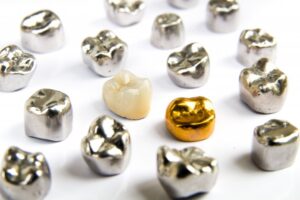
If you need a dental crown, one of the most common questions is: which material is best? The answer depends on your specific needs, including the location of the tooth, your budget, and your cosmetic goals. Modern dentistry offers several high-quality options, each with its own advantages.
Porcelain Crowns: Natural and Aesthetic
Porcelain (or ceramic) crowns are one of the most popular choices, especially for front teeth. They are designed to closely mimic the color, translucency, and texture of natural enamel.
These crowns are an excellent option if you’re focused on appearance. However, they may not be as strong as some other materials, making them better suited for areas that don’t endure heavy chewing forces.
Zirconia Crowns: Strength Meets Beauty
Zirconia crowns have become increasingly popular because they offer both durability and a natural appearance. Made from a strong ceramic material, zirconia crowns are highly resistant to chipping and cracking.
They are a great choice for both front and back teeth, providing a balance between aesthetics and strength. Many dentists recommend zirconia for patients who want a long-lasting solution without sacrificing appearance.
Porcelain-Fused-to-Metal (PFM): A Traditional Option
Porcelain-fused-to-metal crowns combine a metal base with a porcelain outer layer. This design offers strength from the metal and a tooth-colored appearance from the porcelain.
While PFM crowns have been used successfully for many years, they do have some drawbacks. Over time, the metal underneath may become visible at the gumline, especially if gum recession occurs.
Metal Crowns: Durable but Noticeable
Metal crowns, often made from gold or other alloys, are extremely strong and long-lasting. They can withstand significant chewing forces, making them ideal for back molars.
However, their metallic appearance makes them less desirable for visible areas of the mouth. They are typically chosen for function rather than aesthetics.
Choosing the Right Material for You
There is no one-size-fits-all answer when it comes to the best crown material. Your dentist will consider several factors, including the location of the tooth, your bite, and your oral health.
For example, if you have a history of tooth decay, your dentist may recommend a material that provides a strong seal and long-term protection.
Balancing Function and Appearance
The best dental crown material is the one that meets your specific needs—whether that’s strength, aesthetics, or a combination of both. Advances in dental technology have made it easier than ever to achieve natural-looking, durable results.
Dental crowns are designed to protect and restore your teeth for many years. By choosing the right material and maintaining good oral hygiene, you can ensure your crown remains strong and functional. Ultimately, working closely with your dentist will help you make the best decision for a healthy, confident smile.
About the Author
Dr. M. Maxwell Hejazi has more than 30 years of experience in the dental field. He earned his dental degree at the Washington University School of Dental Medicine in St. Louis before completing a prestigious residency program in general dentistry at the University of California – San Francisco. Today, Dr. Hejazi is a Fellow of the International Congress of Oral Implantologists in addition to being a member of the American Dental Association and the Nevada Dental Association. If you’re interested in a dental crown for your damaged tooth, book online or call our Las Vegas office at (702) 804-0153.